In an era when water quality headlines make newspaper front pages and households across America scrutinize every drop that comes from their taps, a story from Staten Island is raising eyebrows. A local homeowner, relying on independent water testing, discovered elevated levels of PFAS in their tap water—despite the fact that the city’s own water quality reports showed that tests “passed” with flying colors.
This kind of situation leaves many residents asking: How can my water be declared safe by official testing, yet show contamination when examined more closely? Understanding this apparent contradiction requires unpacking how drinking water is monitored, what PFAS are, and why standard city tests don’t always capture every possible contaminant.
What Are PFAS and Why They Matter
PFAS (per- and polyfluoroalkyl substances) are synthetic chemicals used in a wide variety of products because of their oil- and water-resistant properties. These compounds have been used in everything from nonstick cookware to firefighting foams. What makes PFAS uniquely concerning is their persistence in the environment—they do not break down easily, earning them the nickname “forever chemicals.”
Public health agencies have linked certain PFAS to health issues ranging from altered liver enzymes and cholesterol changes to effects on the immune system and developmental concerns in children. This has led to increasing public interest and regulatory scrutiny.
For an easy introduction to PFAS—what they are, where they come from, and why they’re significant—see our overview page.
Why City Water Tests Sometimes Don’t Tell the Whole Story
Municipal water systems conduct routine testing for contaminants to comply with federal and state standards. These include tests for microbial pathogens, lead, chlorine levels, and certain disinfectant byproducts, among others. What’s important to understand is that only regulated contaminants are routinely tested as part of compliance reporting.
Until recently, most PFAS compounds were not regulated under federal law and many were not yet included in routine monitoring plans. That means a city can report that its testing meets regulatory standards—and still not have sampled for or detected newer or less-common PFAS compounds.
The U.S. Environmental Protection Agency (EPA) is updating drinking water standards to address more PFAS compounds, but implementation takes time. Meanwhile, many utilities are only required to test for PFOA and PFOS (two of the most widely studied PFAS) or are conducting limited voluntary testing.
Private or independent testing—especially when it targets a broader suite of PFAS—can reveal compounds that city monitoring has not yet evaluated. This appears to be what happened in the Staten Island case.
Municipal compliance testing and what it covers can be very different from targeted analysis done by independent laboratories.
How the Homeowner Discovered Elevated PFAS
The homeowner in question, concerned because of nearby industrial sites and a history of water main work, decided to have their tap water tested by an independent certified lab. Instead of testing only the usual regulated parameters, the lab looked specifically for a broader list of PFAS compounds.
To the homeowner’s surprise, several PFAS chemicals were detected at levels above the health advisory guidelines recommended by some state and federal agencies—even though the most recent reported city water quality results showed all regulated contaminants were within acceptable limits.
This kind of discovery highlights the difference between regulatory compliance and comprehensive screening. Compliance testing ensures that a system meets current rules; comprehensive screening answers a different question—what is actually in the water?
For more about how testing varies and what data collection includes, our testing data page explains this in more detail.
Is This an Isolated Incident or Something Broader?
Stories like this one are becoming more common, not just in Staten Island but across the United States and internationally. As independent testing becomes more accessible and public awareness grows, more homeowners are discovering contaminants that were previously untested or undetected.
There are several reasons for this trend:
- Regulatory lag: Standards often follow science; new contaminants can be regulated years after they are first discovered.
- Analytical improvements: Advanced laboratory methods can detect chemicals at much lower concentrations than older tests.
- Local conditions: Soil, groundwater flow, industrial history, and infrastructure work can all influence contaminant presence at a given tap.
What makes Staten Island’s situation particularly striking is the contrast between official compliance reports and independent findings. When residents compare their own test results with city data, it underscores the limitations of relying solely on mandatory testing requirements.
Does This Mean the Water Is Unsafe?
That’s the million-dollar question—and it’s not always easy to answer definitively.
Regulatory standards exist for a reason: they are based on current scientific understanding and set limits designed to protect most people under typical exposure scenarios. If a city’s water meets those standards, it is considered “safe” by law.
However, many scientists and public health advocates argue that existing standards for PFAS are not protective enough. For example, research has suggested effects at very low exposure levels, and different states have adopted more stringent guidelines than the EPA’s current federal limits.
Independent detection of PFAS doesn’t automatically mean a health crisis, but it does raise questions about whether standards should be updated and whether broader testing should be required.
For broader context on how regulations around PFAS are evolving, see our regulations page.
How Residents Can Respond
If you’re a homeowner or renter in Staten Island or anywhere else and concerned about similar issues, here are some practical steps you can consider:
1. Review Your Annual Water Quality Report:
Your utility issues a Consumer Confidence Report each year. This report shows what contaminants were tested and whether regulatory standards were met. Keep in mind that PFAS may not be included unless required.
2. Request Additional Information:
Ask your water provider about PFAS testing, including what compounds were tested, when samples were collected, and what detection limits were used.
3. Consider Independent Testing:
Certified laboratories can test for a wide array of PFAS. If you’re concerned about specific compounds, comprehensive screening may give you more complete information.
4. Investigate Filtration Options:
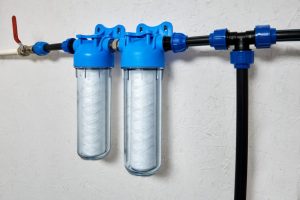
If elevated PFAS are detected at your tap, certain home filtration systems—like activated carbon or reverse osmosis—can reduce PFAS concentrations effectively.
5. Stay Informed and Ask Questions:
Local government meetings, water boards, and health departments may provide opportunities to learn more and ask for transparency in testing and reporting.
Our FAQ section answers many common questions about PFAS, testing, and health concerns—especially for residents looking for straightforward explanations.
And if you want direct help or have questions we haven’t covered, feel free to contact us.
What Experts Say About PFAS Detection
National authorities and scientific organizations offer resources that help frame these issues:
- The U.S. Environmental Protection Agency (EPA) has acknowledged that PFAS compounds are widespread and has been working to strengthen national drinking water standards.
- The Centers for Disease Control and Prevention (CDC) provides information on exposure and health studies.
These resources help homeowners understand that detection does not in itself equate to imminent danger, but it does underscore why awareness and data are crucial.
The Role of Local Awareness and Action
Staten Island homeowners who take the initiative to test, question, and seek information are part of a broader trend of community engagement in water quality. Citizen science, local advocacy, and independent testing are increasingly influencing how utilities respond and how regulators consider updates to public health protections.
Local awareness matters because water systems are not static. Infrastructure ages, industrial histories differ by neighborhood, and environmental conditions change over time. Listening to what residents are experiencing can uncover patterns that formal compliance testing may miss.
Being proactive—asking questions, requesting data, and comparing official and independent testing—helps ensure that water quality is not just a regulatory box to check, but a continually monitored resource that residents can trust.
Conclusion: Knowing More Means Being Prepared
The experience of a Staten Island homeowner finding PFAS despite passing city water tests illustrates a broader reality: compliance does not always equal comprehensive safety monitoring.
While city water systems work to meet regulatory requirements, evolving science and community concerns are pushing the conversation to include broader, more nuanced testing for contaminants like PFAS. Independent testing can reveal what compliance monitoring may not cover, giving residents a fuller picture of their water quality.
If you’ve ever wondered what’s in your tap water, you’re not alone—and there are resources, tests, and communities ready to help you learn more.
For more insights on PFAS, water quality, and related topics, check out our blog page.
You don’t have to accept uncertainty—knowing more is the first step toward making informed choices about your water and your health.